LEARN MORE ABOUT FUNNEL PAGES!
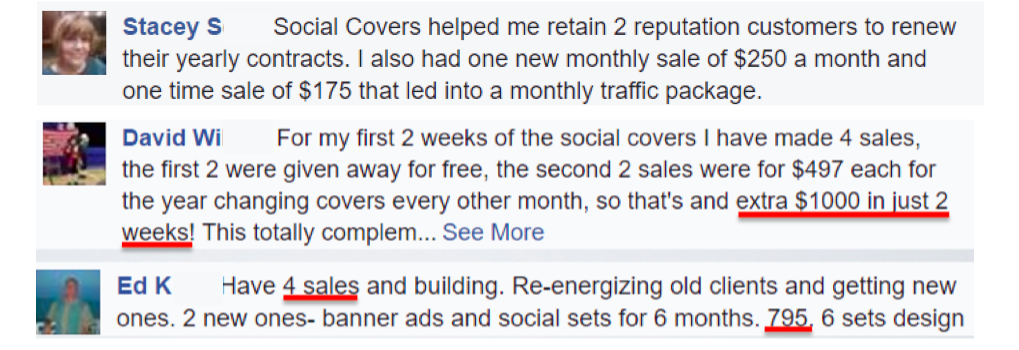
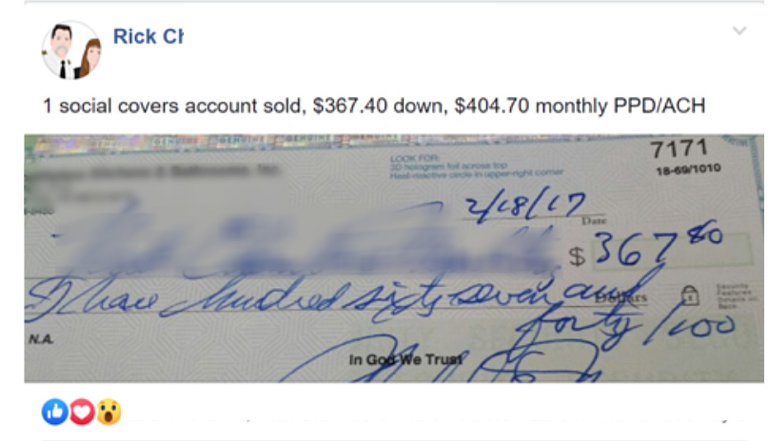




Ed B.
Easiest $2400 made in 20 minutes, using Funnel Pages’ new script!... Appointment call and closed a $2400 deal in a 20 minute follow up call to day. And it’s supposed to be my day off!"

Jeff F.
"WIN! 8 Funnel Pages with Video and Leads packages sold! $5k setup & $3K/mo. I doubled the price I was going to charge and the client didn't bat an eye!"

Randy V.
"My 1st Lead Magnet I gave away for 25 referrals! My 2nd Lead Magnet I sold for $100 and 5 referrals! My 3rd Lead Magnet I sold for $500 and led to $500/month Website. Follow what Funnel Pages Teaches. It Works!"
Circumstances, background and effort may affect your experience. Results may vary.
Ready to land new customers & drive profits?
LEARN MORE ABOUT
FUNNEL PAGES!
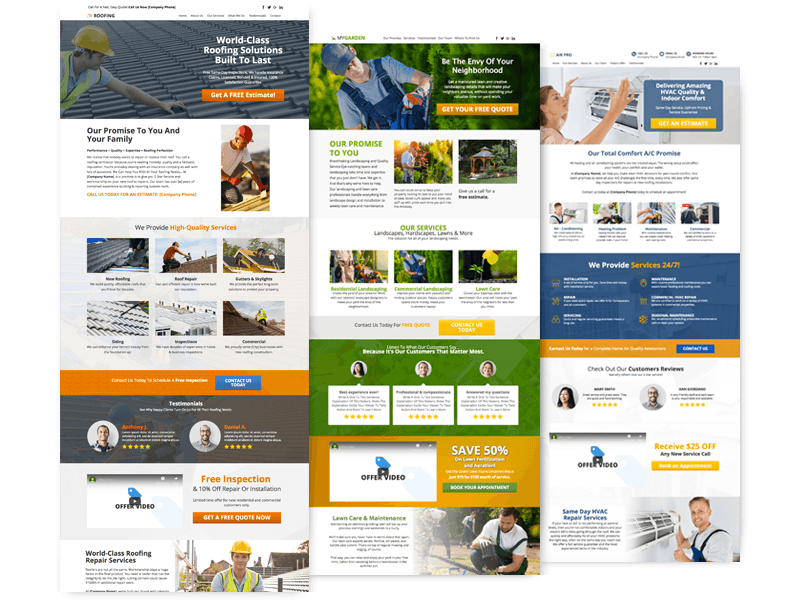
Funnel Pages is an incredible, fully automated enterprise funnel & website building platform that provides you with everything you need to easily create & build high converting funnels at push-button speed!
Powered by one of the most innovative funnel page building techniques on the market and a proprietary formula, Funnel Pages has simplified the path to building profitable funnels for agency owners and with just a few simple clicks, you can now build a high-converting website funnel that will deliver results for your clients by generating leads and then converting them into customers.
Opening up the door to consistent residual revenue for your agency!
 Funnel Pages will empower you with everything you need to...
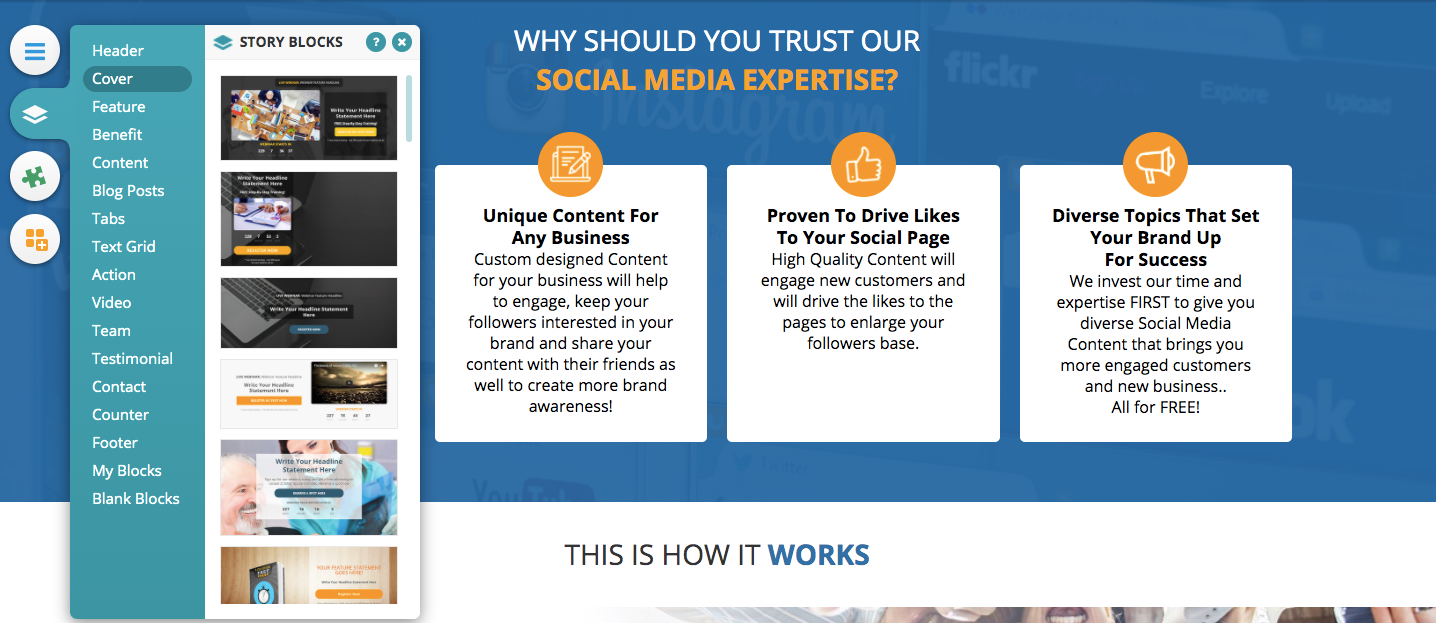
Tap into the power of Funnel Pages' revolutionary visual funnel builder and it's proprietary “21 Story Block Formula” to instantly differentiate your brand to tell the story about your products and services, expertise and value in the marketplace.
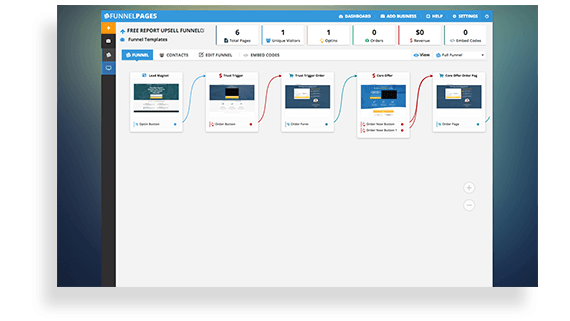
to build your funnel flow in just a few clicks & see every step your visitor will take in your funnel.
✓ Everything you need to generate profits & create recurring purchases.
Whether you have already built your lead list or you are just getting started, Funnel Pages is uniquely setup to help you automate your lead generation with a funnel that works for you 24 hours a day!
✓ Stress free follow-up with done-for-you scripts & resources


without having to waste any time worrying about design!
✓ A no learning curve or coding required visual drag & drop builder
✓ Robust analytic system to drive success
✓ Blog & Membership site capability included
✓ The best in class strategies to deliver results for your customers
✓ Plus, so much more!

✓ Exclusive, Hands-On QuickStart Training On How To Maximize Funnel Pages!
LEARN MORE ABOUT FUNNEL PAGES!

LEARN MORE ABOUT
FUNNEL PAGES!

By providing your mobile number, you agree to receive text messages and updates at the mobile number provided. You can opt out at any time. Message and data rates may apply. See Privacy Policy.

ABOUT US
We empower thousands of online income entrepreneurs with the tools, strategies & resources needed to create daily success!


Funnels & Automation Tools



Paid Traffic Tools



Social Media Tools